The Ultimate Overview to Using Printing Providers for Personalized Art Prints
Steering through the globe of customized art prints calls for a clear understanding of various printing solutions. Musicians should consider elements such as printing methods and materials to accomplish the desired outcome. Each choice, from artwork prep work to color calibration, plays an essential role in the final item. As they check out these aspects, musicians can disclose the potential for their work to link with audiences in a purposeful way. What actions can they require to guarantee their prints stick out?
Understanding Various Kinds Of Printing Solutions
Several individuals may overlook the details of printing solutions, comprehending the numerous types offered is essential for anybody looking to produce customized art prints. One of the most typical types consist of digital printing, offset printing, and display printing. Digital printing is preferred for its quick turnaround and capability to create top quality photos directly from electronic documents, making it perfect for tiny runs. On the other hand, countered printing offers exceptional picture quality and is cost-efficient for larger amounts, using plates to transfer ink onto paper. Screen printing, frequently used for textiles and advertising items, involves pressing ink through a mesh screen, permitting dynamic shades and textures. Each technique has its unique benefits and constraints, making it crucial for musicians and designers to assess their certain demands, such as amount, wanted quality, and spending plan, before choosing a printing solution that aligns with their imaginative vision.
Choosing the Right Materials for Your Prints
Picking the suitable materials is crucial for accomplishing high-quality personalized art prints. Understanding the different sorts of paper and the relevance of ink quality can significantly influence the result. Artists have to consider these aspects to ensure their vision is accurately stood for in the published piece.
Paper Kind Explained
Picking the best paper kind is necessary for accomplishing the desired aesthetic and toughness in customized art prints. Numerous options exist, each offering distinct features. Glossy paper improves color vibrancy and detail, making it ideal for photography prints. Alternatively, matte paper supplies a softer surface, which is preferable for art work that requires nuance and texture. Great art paper, frequently made from cotton or alpha cellulose, supplies historical quality and appropriates for reproducing complex details in paintings (Print Shop Near Me). In addition, specialty papers, such as watercolor or canvas, can add one-of-a-kind visual effects. Ultimately, selecting the proper paper type will considerably influence the last presentation, ensuring that the artwork is both aesthetically appealing and long-lasting
Ink Top Quality Issues
Ink quality plays a necessary function in the overall success of customized art prints. Top notch inks guarantee vivid shades, sharp information, and durability, which are important for showcasing imaginative work. When selecting printing services, musicians must think about pigment-based inks over dye-based choices, as they supply far better discolor resistance and shade security. In addition, the choice of ink should complement the picked paper type, boosting the print's visual impact. Environmental factors, such as moisture and temperature level, can additionally influence ink performance; for that reason, musicians should ask about ink solutions that resist these components. Eventually, purchasing superior ink quality can raise the end product, guaranteeing that the art print stays real to the artist's vision for years to come.
Exploring Printing Methods: Digital vs. Traditional
While both standard and digital printing techniques have their distinct benefits, the choice on which approach to make use of frequently depends upon the specific requirements of the artwork. Digital printing masters flexibility and rate, permitting fast turnaround times and the capacity to publish on demand. This method is specifically useful for musicians who require small runs or unique pieces, as it removes the need for considerable arrangement processes.Conversely, standard printing techniques, such as lithography and screen printing, usually generate richer structures and colors, appealing to artists seeking a more tactile and genuine surface. These approaches can enhance the deepness and high quality of the art work, making them appropriate for larger editions. In addition, standard approaches might provide a distinctive aesthetic that digital printing sometimes struggles to reproduce. Ultimately, the selection between these strategies need to think about aspects like desired quality, quantity, and creative intent, leading artists to the most suitable alternative for their projects.

Preparing Your Art Work for Printing
Effectively preparing art work for printing calls for careful focus to information, despite the selected printing strategy. Artists must assure that their data are developed at the suitable resolution, typically 300 DPI, to keep intensity and quality. The correct shade setting, typically CMYK for print, is crucial to accomplish the desired shade accuracy. Musicians should also take into consideration the dimensions of the art work, seeing to it to consist of hemorrhage locations if necessary, to stop any unwanted white sides after trimming.Additionally, file formats play an essential role; TIFF and PDF are typically preferred for premium prints. Before entry, it is necessary to assess the art work for any kind of flaws or unwanted elements. click for info By carefully examining these elements, artists can enhance the likelihood of their prints straightening with their imaginative vision, ultimately bring about an effective printing outcome.
The Significance of Color Calibration and Proofing
Color calibration and proofing are important action in the printing process, as they assure that the last outcome accurately shows the artist's vision. Correct color calibration warranties that the shades displayed on the display match those that will certainly be published. This process includes adjusting the monitor setups, printer profiles, and inks to achieve a consistent color representation.Additionally, proofing allows musicians to preview their job prior to the last print run. This stage enables them to find and fix any type of discrepancies in information, saturation, or shade, thus reducing expensive errors. By using hard-copy or electronic evidence, artists can make educated decisions regarding modifications needed for perfect results.Incorporating shade calibration and proofing right into the printing operations not only enhances the top quality of the end product yet also cultivates a trustworthy partnership between the printing and the artist service, ensuring contentment and integrity to the initial art work.
Picking the Perfect Dimension and Style for Your Prints
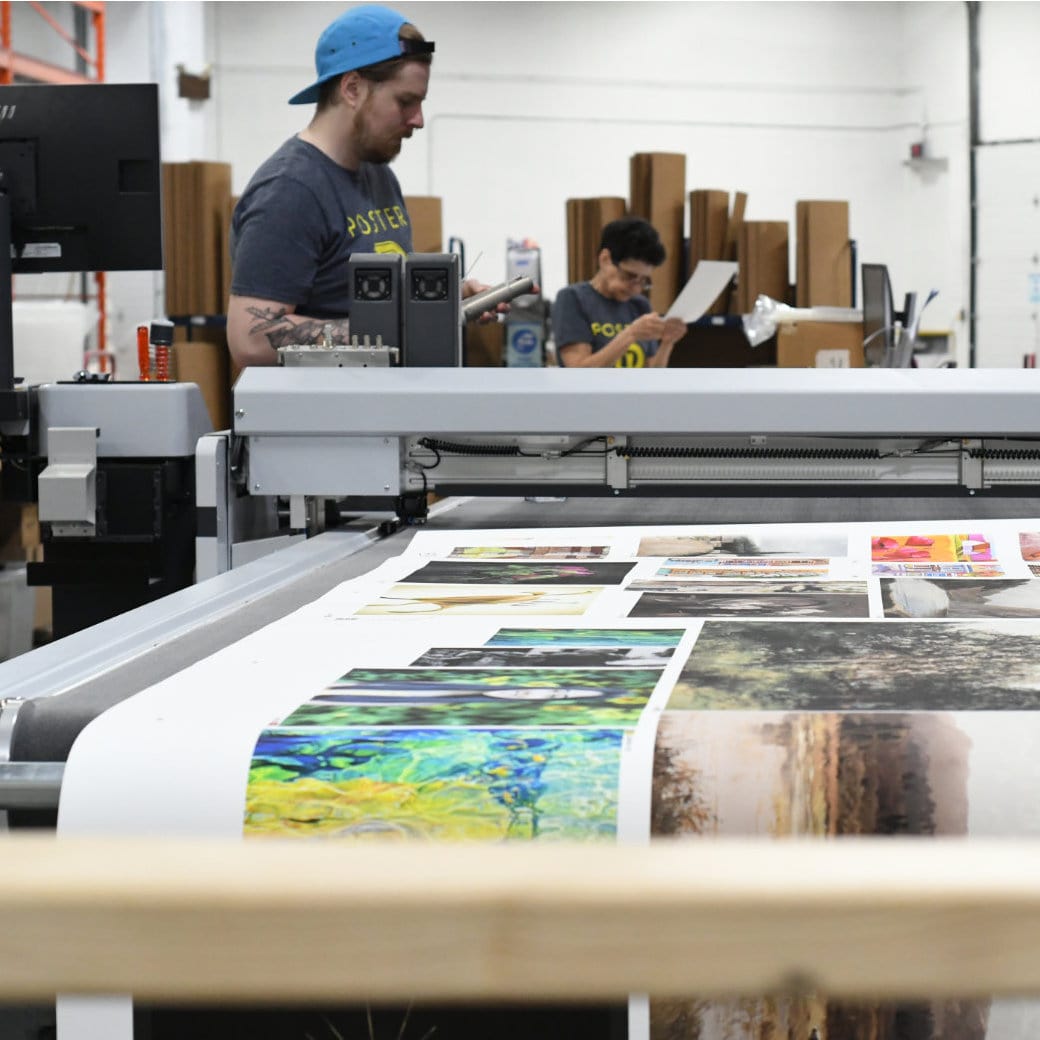
Marketing and Selling Your Personalized Art Prints
Marketing and marketing custom art prints needs a solid brand identity to stand out in an open market. Reliable on-line promotion techniques and the calculated use of social media platforms can greatly improve visibility and involvement. By integrating these components, artists can create an engaging visibility that draws in potential customers.
Building Your Brand Identity
Establishing a solid brand identification is important for artists looking to successfully market and offer their custom art prints. This identification includes the artist's special style, worths, and story, which resonate with prospective buyers. Artists ought to develop a cohesive aesthetic visibility across all systems, including logo designs, color design, and typography that reflect their artistic vision. In addition, a clear mission statement aids communicate the artist's function and interest. Engaging narration regarding the inspiration behind each piece can foster emotional links with the target market. Consistency in messaging, whether on social media sites or packaging, enhances acknowledgment and depend on. By carefully curating their brand identity, musicians can distinguish themselves in an open market, attracting loyal customers who appreciate their creativity.
Efficient Online Promotion Strategies
What methods can musicians use to properly advertise their customized art prints online? Creating a professional site showcasing the art work is necessary. This site must include comprehensive summaries and top notch photos to involve prospective customers. Furthermore, artists can make use of e-mail advertising by constructing a subscriber list to share updates, promos, and brand-new releases. Collaborating with blog owners and influencers in the art community can broaden reach and reliability. Providing limited-time discount rates or exclusive items can likewise develop urgency, encouraging purchases. Furthermore, maximizing web content for online search engine via appropriate keywords will improve presence. Finally, maintaining a blog site regarding the creative procedure can bring in art fanatics, promoting a much deeper connection with the read review audience and improving the overall advertising strategy.
Making Use Of Social Media Operatings Systems
Social media site platforms function as powerful tools for musicians looking to market and market their personalized art prints. By leveraging platforms like Instagram, Facebook, and Pinterest, artists can display their job to a huge audience. Involving visuals and critical hashtags can raise visibility, drawing prospective buyers to their accounts. Routinely uploading content, such as new styles or behind-the-scenes processes, helps maintain audience passion and fosters a sense of neighborhood. In addition, musicians can use targeted marketing to get to specific demographics, enhancing the chances of sales. Partnerships with influencers or various other musicians can even more enhance exposure. Eventually, a well-curated social media existence not only promotes custom art prints yet additionally develops a dedicated client base in time.
Regularly Asked Inquiries

Just how Do I Find Reliable Printing Service Providers?
To discover trusted printing provider, one ought to look into on the internet reviews, seek referrals from peers, contrast profiles, demand examples, and evaluate customer care responsiveness. This complete strategy guarantees informed choices and adequate official source results.
What Is the Normal Turn-around Time for Custom Prints?
The regular turn-around time for custom prints varies by provider, however typically ranges from a couple of days to 2 weeks. Variables influencing this consist of order dimension, intricacy, and the particular printing methods made use of.
Can I Get a Reimbursement if I'm Not Satisfied With My Prints?
The concern of getting a refund for poor prints typically depends upon the particular printing solution's plans. Many companies supply fulfillment assurances, while others may have stringent return problems, stressing the value of evaluating terms beforehand.
Are There Any Kind Of Hidden Expenses Linked With Printing Services?
Lots of printing services might consist of surprise expenses such as arrangement fees, delivery fees, or additional costs for certain products. It's important for clients to ask about all prospective costs before completing their order.
Just How Can I Ensure My Prints Are Eco-friendly?
To ensure prints are eco-friendly, one must pick green inks, recycled paper, and sustainable printing techniques. Researching printing solutions that focus on sustainability and getting qualifications can additionally assure marginal ecological influence in the printing procedure. Steering via the globe of custom-made art prints needs a clear understanding of different printing services. Many individuals may neglect the details of printing solutions, understanding the various types readily available is essential for any individual looking to produce custom-made art prints. The most usual kinds consist of electronic printing, offset printing, and screen printing. Efficiently preparing art work for printing requires careful focus to information, regardless of the picked printing technique. Prints aimed at galleries may need basic sizes to promote framing, whereas one-of-a-kind formats may appeal to collection agencies looking for something distinctive.Lastly, the printing service's capabilities must be examined.